
Why regular service of a Kirby vacuum is so important
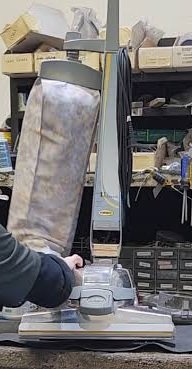
Regular servicing keeps your Kirby vacuum cleaning at its best, protects your investment, and stops small issues from turning into expensive repairs. Because Kirby systems are built with durable aluminum and powerful motors, routine care ensures they last for decades.
During a standard service a qualified technician will completely strip down the machine to clean, test, and refurbish both its mechanical and cosmetic parts.
Performance, Airflow & Suction
- Roler brush: Check brush roller condition and adjusts height if needed so it sweeps up dirt correctly. The brush bearings are also inspected.
- Belt replacement: The heavy-duty rubber drive belt is replaced because stretched belts lose grip and cause the brush to stop spinning under a load. They also crack with time.
- Strong suction: Clears hidden dust, pet hair, and clogs inside the fan and airways.
- Fresh air output: Keeps filters and bags sealed so dust stays trapped instead of blowing back into the air.
- Fan assembly check: The technician inspects the suction fan blades for chips, cracks, or embedded debris that can restrict airflow or cause damage later on.
- Deep clean-out: Compressed air is used to blast away tightly packed dust and hair from the inner airways, switch housings and casing.
Motor & Electrical Diagnostics
- Carbon brush inspection: Technicians check the motor’s carbon brushes for wear, as worn brushes can cause total motor failure.
- Bearings inspection: Front and rear motor bearings are checked and lubricated or replaced to eliminate whining or grinding noises.
- Electrical safety check: The power cord, handle wiring, and on/off switches are tested for loose connections or intermittent power.
Drive System
- Tech Drive lubrication: The heavy-duty rear power-assist drive axle and foot pedals are cleaned and lubricated to ensure easy shifting between drive and neutral.
Cosmetic & Exterior Detailing
- Metal buffing: Because Kirbys are made of cast aluminum, technicians will polish and buff the outer metal housing to remove scratches and bring back the original mirror-like shine. This also stops moisture and dirt buildup from damaging metal pieces over time.
- Seal inspections: The gaskets around the front bumper, nozzle, and bag connection (mini-emptor) are checked to make sure dust doesn’t leak out.
- Outer bags: The outer bag is washed and checked for damage. Zips can be replaced and tears in the material can be repaired or patched.